Chiropractic Isn’t One-Size-Fits-All: The Treatment Methods We Use at Greater Western Health
Chiropractic care at Greater Western Health in Hawkesbury uses a combination of manual spinal adjustments, low-force techniques, soft tissue therapy, joint mobilisation, and prescribed rehabilitation exercises. The method used in any given appointment depends on your condition, age, health history, and personal comfort, not a default protocol. No technique is applied without explanation. No adjustment is made without your agreement. And if you’d prefer a gentler approach, there is always one available.

Chiropractic care is more than "just cracking backs"
There’s a common assumption that chiropractic care is essentially one thing: someone puts you on a table and cracks your back. That’s understandable. It’s what most people have seen or heard about. But it’s not the full picture, and it’s one of the reasons some people hesitate before booking.
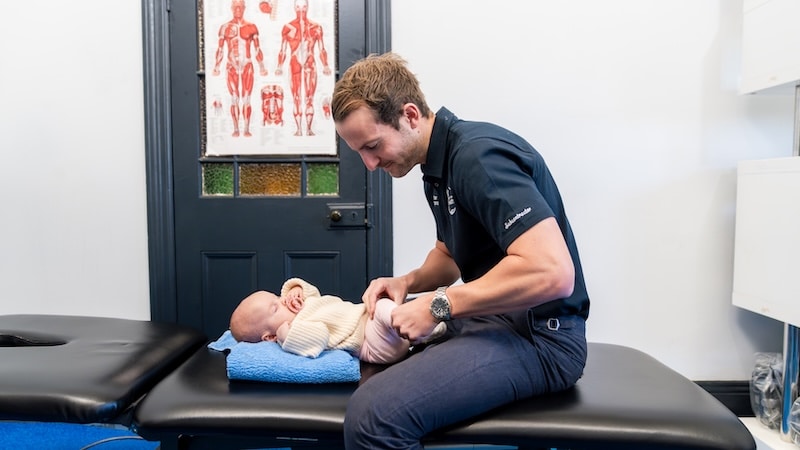
At our Hawkesbury clinics in Richmond and Kurrajong, chiropractic treatment is a suite of evidence-informed techniques. Some involve a controlled manual thrust. Some are gentle enough to use on a newborn. Some involve no contact with the spine at all. What’s used in your appointment depends entirely on what’s going on in your body and what you’re comfortable with.
The Core Treatment Methods We Use and When We Use Them
Every appointment at GWH begins with an assessment. We’re looking at your health history, how you move, where you’re restricted, and what you’re trying to achieve. The treatment follows from that picture, not from a predetermined script.
Here’s a clear overview of the methods in our toolkit:
Method | Best Suited For | Sensation |
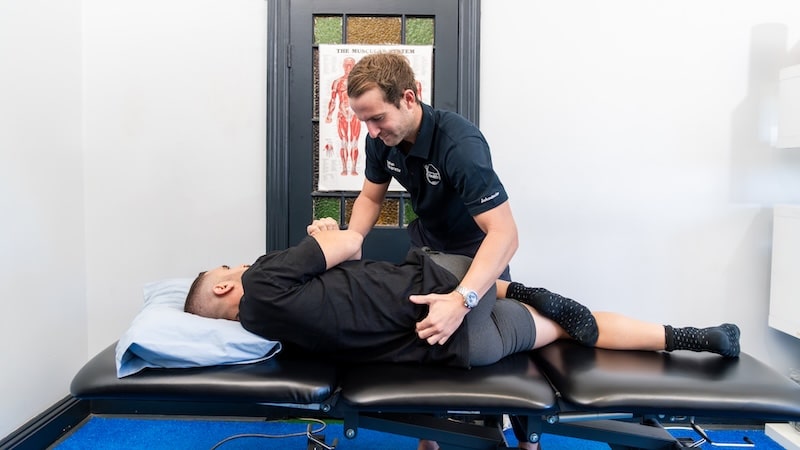
Manual spinal adjustment | Joint restriction, postural strain, back and neck pain | Quick movement, possible audible release |
Extremity adjustment | Shoulder, hip, knee, ankle, wrist dysfunction | Light pressure or pop, improved range of motion |
Activator Method (low-force) | Patients preferring minimal force; older adults; acute conditions | Gentle, targeted tap — no thrust required |
Drop table technique | Lumbar and pelvic conditions; low-force preference | Table segment drops slightly; gentle release |
Soft tissue therapy | Muscle tension, fascia restriction, postural fatigue | Sustained pressure, warmth, gradual release |
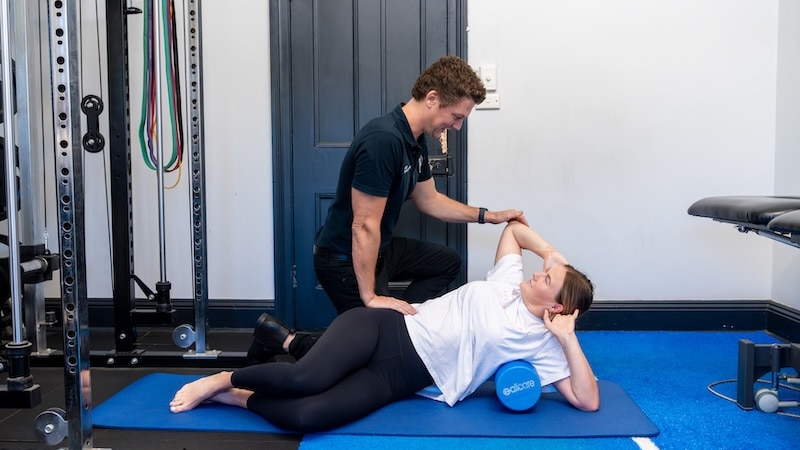
Mobilisation | Stiff joints without full restriction; gentle restoration of range | Passive, rhythmic movement — no audible release |
Rehabilitation exercises | Postural correction, strength rebuilding, maintenance | Effort during session; improved function over time |
How We Choose What’s Right for You
Every technique in our toolkit exists because it’s appropriate for a particular set of circumstances. The clinical question isn’t ‘which technique do we prefer?’ It’s ‘which technique is right for this person, today?’ Every treatment plan starts with a thorough assessment, including health history, movement testing, posture, lifestyle factors, and the client’s goals. From there, we select techniques that best suit the individual’s condition, comfort level, and preferences. No two people are treated exactly the same.
Age and Health Conditions Matter
Older adults, pregnant clients, and people with bone density concerns benefit from gentler approaches. The Activator and drop table are not lesser options. They’re clinically appropriate choices for specific presentations.
Your Comfort Is a Clinical Variable
An anxious patient is a tense patient. Tension changes how muscles respond and reduces treatment effectiveness. We’d rather adapt the method and get a better result.
About the ‘Crack’
First-time chiropractic patients often arrive with a specific concern: the crack. They’ve heard about it, seen it on social media, or know someone who found it alarming. So let’s address it directly.
The ‘pop’ or ‘crack’ during an adjustment is not bone grinding on bone. It’s not a sign that something has gone wrong. It’s the release of dissolved gases, primarily carbon dioxide and nitrogen, from within the joint capsule when pressure changes rapidly. The same thing happens when you crack your knuckles.
More importantly, it’s not required for an effective adjustment.
What’s normal after a chiropractic appointment
- Mild muscle tenderness in the treated area, similar to post-exercise soreness, typically resolves within 24 to 48 hours
- Improved range of motion or a feeling of lightness in the treated region
- Occasional mild fatigue, particularly after a first appointment or a longer session
- Minor joint stiffness the following morning that eases with movement
What isn’t normal
Immediately contact the clinic if you experience:
- Sharp or radiating pain that wasn’t present before the appointment
- Numbness or tingling in the limbs that’s new or worsening
- Significant swelling or bruising at the treated site
- Symptoms that feel notably worse 48 hours after treatment, not better

Beyond the Adjustment
A chiropractic appointment is one piece of the recovery picture. What happens in the 167 hours between visits matters too. Depending on your condition and goals, your chiropractor at GWH may include any of the following as part of your care plan:
- Stretches targeted to specific tight structures, not generic advice, but movements relevant to your presentation
- Strengthening exercises for the muscles that support the adjusted segments, because joint corrections hold better when the surrounding musculature does its job
- Ergonomic advice for your workstation, driving posture, or lifting mechanics, particularly relevant for desk workers and tradespeople across the Hawkesbury region
- Posture correction strategies built into daily routines, not a lecture, but practical cues you can actually apply
- Movement education: understanding why the body developed its current patterns and what needs to change for those patterns to shift
Consent Is Ongoing, Not a One-Time Form
One of the things that distinguishes how we practice at Greater Western Health from more transactional clinics is our approach to consent and transparency.
Before any technique is used, we explain what it involves, why we’re recommending it, and what the client can expect to feel. Not a rushed monologue, but an actual conversation. Questions are expected. The treatment proceeds only when the client is comfortable proceeding. If a client changes their mind mid-treatment, decides they’d prefer a different technique, or isn’t comfortable with how something feels, we stop and adapt. This isn’t unusual. It’s expected, and it’s how we maintain trust over the course of a treatment relationship.
Clients always have a choice. If someone isn’t comfortable with a technique, we can modify the approach or use alternative methods that better suit their preferences and comfort level. There is no technique we consider non-negotiable.
What informed consent looks like at Greater Western Health
- Every new technique is explained before it’s applied: including what it is, why we’re recommending it, and what it’ll feel like
- You’re invited to ask questions: Happens at every stage, not just at the start of your first appointment
- You can pause or stop a technique at any point: We’ll adapt without making you feel difficult
- Progress and plan changes are reviewed openly at each visit: you always know where things stand
- Alternative approaches are always available: there is no “one size fits all” mandate here
Ready to Book Your Chiropractic Appointment?
Your first appointment at Greater Western Health includes a full assessment, an explanation of our findings, and a clear direction for your care before any treatment is provided.
WE ARE PROUD PARTNERS OF